
Tag Archive for: window view drawings

by Matteo Pericoli

Tina Modotti (Wikimedia Commons)

I have found huge inspiration lately in the work of Tina Modotti, the Italian photographer who, in the early 1900s, immigrated to San Francisco to escape a life of poverty. After several years in California, she moved to Mexico — a place that would greatly influence her and where she would experience the most intense and productive years of her life. It was there that she was introduced to Mexico’s leftist movements and to artists such as Frida Kahlo and Diego Rivera (she was a model for a few Rivera murals) and where she worked tirelessly to document the lives of many rural Mexican communities. She was an activist, a feminist and an advocate of human rights. She died much too young at the age of forty-seven.

I have gone three times to see a retrospective1 of her life and work in order to absorb her vision and her energy, both of which have helped reinforce how I feel about my own work, i.e. that the apparent simplicity of a window view drawing, similar to Modotti’s view of the world through her “honest photographs”, can be a powerful means to convey stories, views, visions and personal reflections. It’s not about art per se. In fact, Tina Modotti was very much against the concepts of “art” and “artist”, because of “the bad use and abuse made of these terms2”, which is something I, too, have always felt.

Tina Modotti considered herself “a photographer, nothing more” and she tried to produce “not art but honest photographs”, which is exactly how I see my drawings. They are simply the product of many intricate lines, “without distortions or manipulations3”, which are the very words Tina Modotti used to describe her photographs.

The only substantial (and unavoidable) difference is the concept of “present”. Her photographs, and photography in general, “can only be produced in the present and because it is based on what exists objectively before the camera, takes its place as the most satisfactory for registering objective life4” (Tina Modotti).

From the exhibit Tina Modotti: The Eye of Revolution at Jeu de Paume, Paris (2024)

Yet, when I am in front of the dozens of photos of the window view that I have to draw, I have to extend that instant, that fleeting present moment, and stretch it to last minutes, hours, sometimes days before I can even begin to draw it. I see this present-moment-stretched-to-almost-infinity as that same kind of view of “objective life” that Tina Modotti talked about. The result of which, in my case, is a seemingly simple drawing, a drawing whose stillness in time serves as a platform for a story (that of the viewer, the window view “owner”). Because the present moment is, after all, everything there is.


  1. At Palazzo Roverella in Rovigo, first, and then at Camera in Turin. ↩︎
  2. Modotti, Tina. “Sobre la fotografía = On Photography.” Mexican Folkways (Mexico City) 5, no.4 (October-December 1929): 196-198 ↩︎
  3. Ibid ↩︎
  4. Ibid ↩︎

May 2024


by Matteo Pericoli

I still remember vividly the feeling of bewilderment I felt when, now 20 years ago, I stood in front of my window on the Upper West Side of Manhattan for what would be one of the last times in my life. I had lived in that apartment with my wife for seven years and the time had come to move out. With the boxes now packed, there suddenly stood before me another ‘thing’ that we were almost forgetting to take with us: the window of our bedroom / my studio and, glued to it, the view of a series of courtyards, roofs, chimneys, water towers and, in the background, the tip of Riverside Church that had kept me company for so long.

I thought of removing the window from the wall and taking both it and the view with us. No way. I checked carefully to see if a hypothetical transparent plastic coating could be peeled off the window, which might have miraculously retained the images of both the frame and the view. No way. I then tried to photograph the whole thing, but what I was looking for turned out to be much more elusive than I thought: in fact, the photos seemed to show either the frame or the cityscape beyond the window, not both. The problem could have been my camera, or my hand, or more simply my inexperience with photography.

So I decided to take a large roll of wrapping paper and hastily draw on it the window almost on a 1:1 scale. So it was that, to my enormous surprise, I noticed the large amount of detail that I had missed. “But how is this possible?” I asked myself, ”this is the Manhattan cityscape that I am more familiar with than any other. I’ve been sitting beside this window for seven years, turned to look out an inordinate number of hours, and only now do I notice all these details.” I then decided to explore further, using drawing, the strange interdependent relationship we have with this architectural object-non-object. Often it is a strong bond, almost affection, sometimes there is instead detachment or even annoyance.

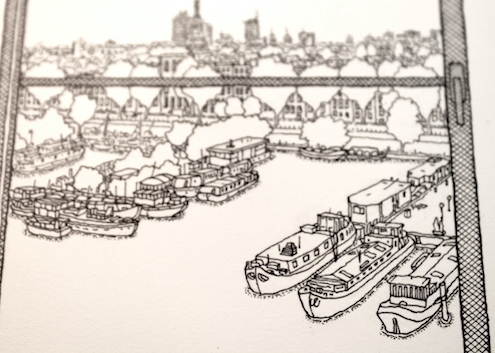
I asked a multitude of people to show me their windows, to allow me to draw them, to describe them to me and tell me about the relationship they had with this hole in the wall. I realized that in order to fulfill the irresistible desire I had to tell the story of the city where I was living at the time, New York, I would have to observe it from the most intimate perspective of all: that of those who look at it (actively or passively) from their windows. I have been drawing windows ever since. I have designed hundreds of them. Windows that look out on cities, windows that look out on nature, on the sea, on meadows, on forests.

Windows that show us the present, that look out toward the past, into that very past which, with its concatenations, has brought us to that precise point in time and space. Although the drawings always show the same subject — the tangible (the frame) framing the intangible (the view) — my attention has gradually shifted from the outside to the inside, from what is seen to how and why we see.

Drawing after drawing, the glass has been gradually transforming into a mirror in which, with each glance, we end up seeing reflected ourselves and our thoughts, our desires, our hopes; the past mingling with the present. Of all the construction, constituent and compositional elements in architecture, the window is undoubtedly the one with the greatest narrative potential.

Poems Selected by Shakespeare and Company

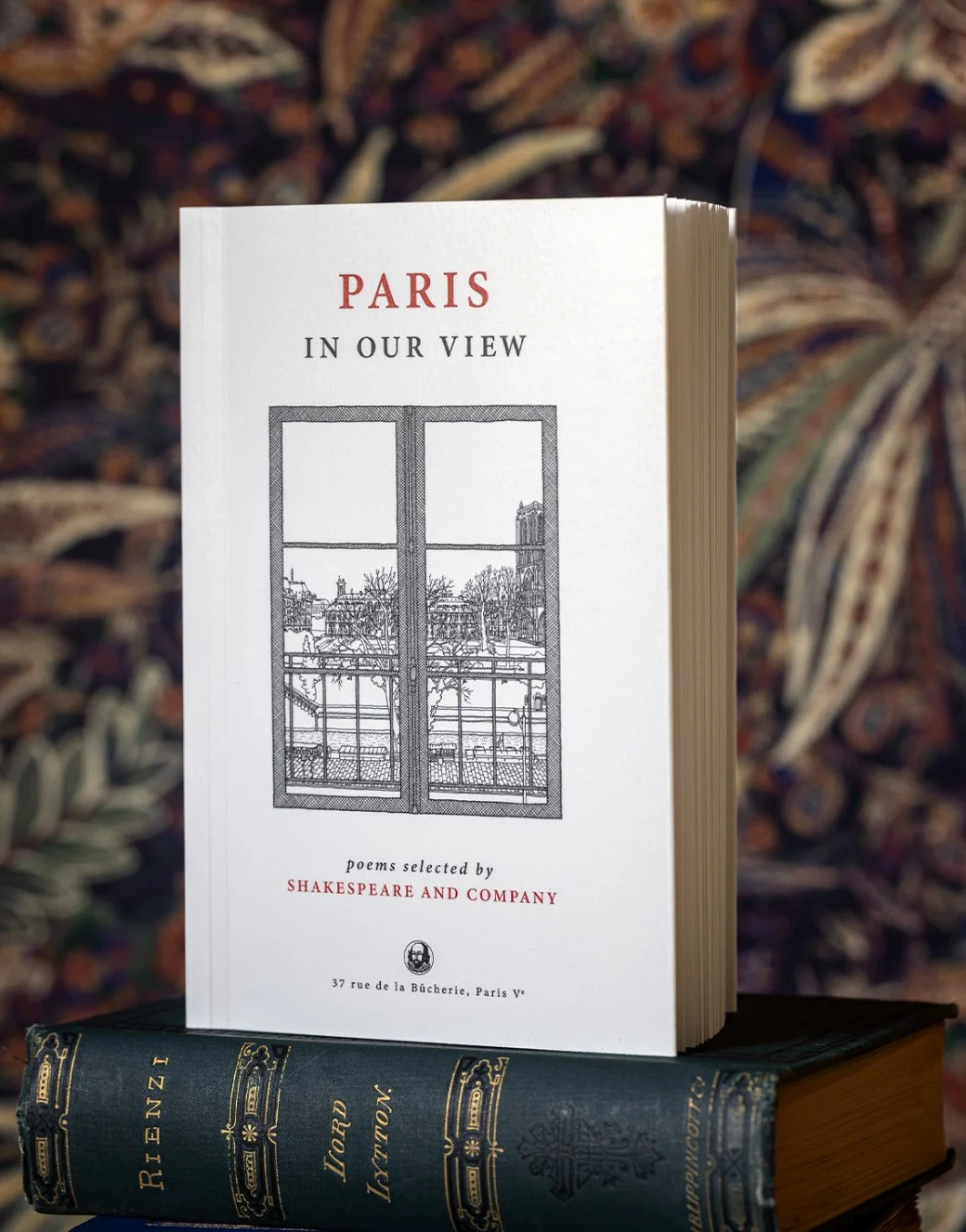
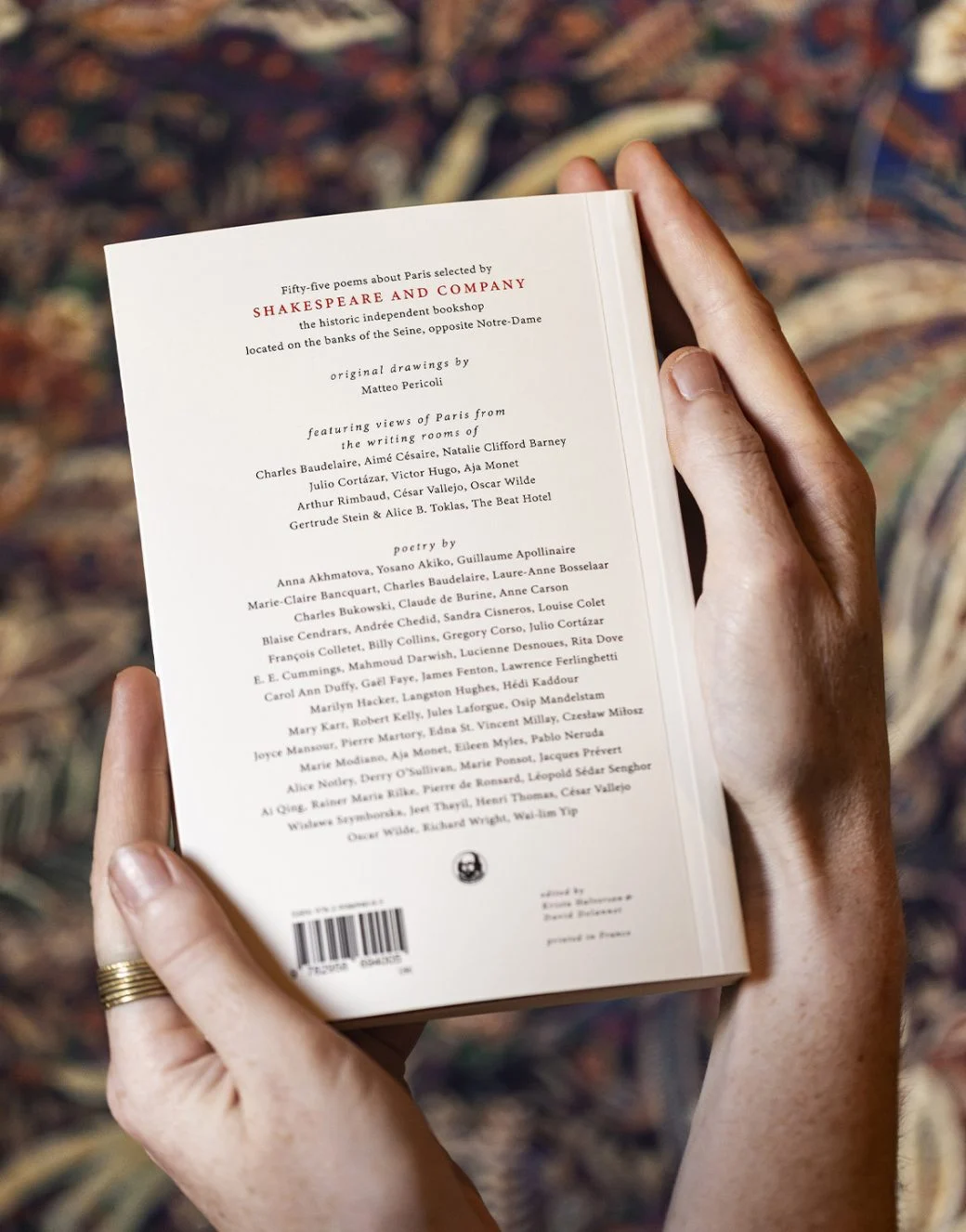
Paris in Our View is a collection of fifty-five poems reflecting Shakespeare and Company’s perspective on the French capital—a perspective formed both by the books on our shelves and by the readers and writers who pass each day through our doors.

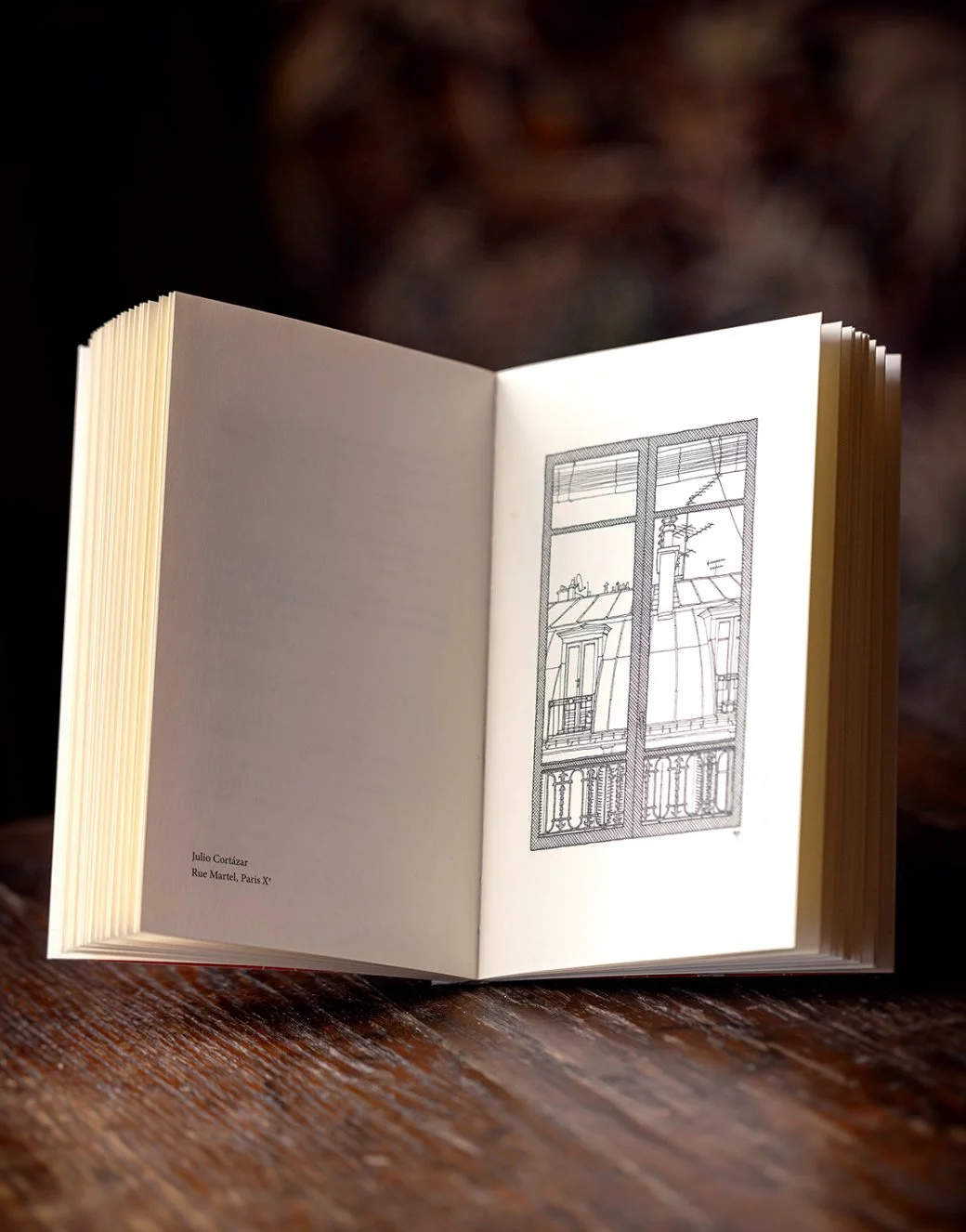
The acclaimed Italian illustrator Matteo Pericoli provides the gorgeous line drawings, which depict the window views of poets who, at one time or another, made their homes in Paris. These include the views of Arthur Rimbaud, Gertrude Stein and Alice B. Toklas, Charles Baudelaire, Julio Cortázar, Aimé Césaire, Aja Monet, César Vallejo, Victor Hugo, Natalie Clifford Barney, and Oscar Wilde—as well as those of the Beat Hotel and Shakespeare and Company, whose window onto Notre-Dame cathedral and Hôtel-Dieu is featured on the book’s cover.

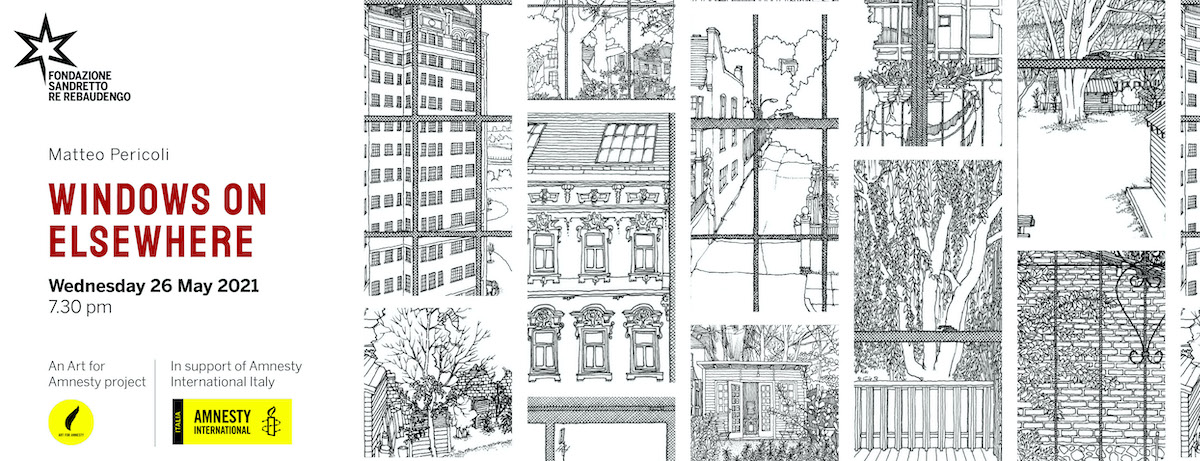
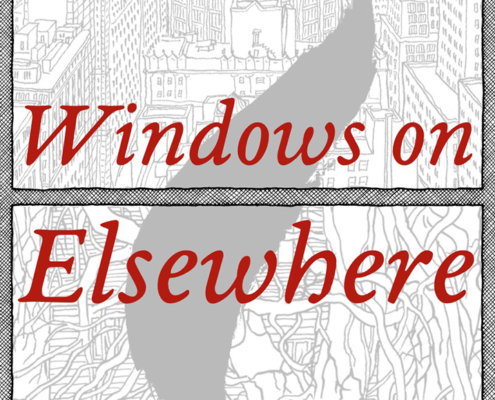
Finally, after 3 years of work, “Windows on Elsewhere: 60 Refugees, 60 Views”, a project I worked on with Art for Amnesty, will be exhibited in Turin. The project is in support of Amnesty International Italia on the occasion of Amnesty’s 60th anniversary.

On Wednesday, May 26, the Fondazione Sandretto Re Rebaudengo will inaugurate the exhibit of 60 drawings accompanied by 60 texts written by the refugees in which they share what they see from their windows, but also memories of their journeys, of what they have left behind and their hopes (the exhibit ends on July 28).

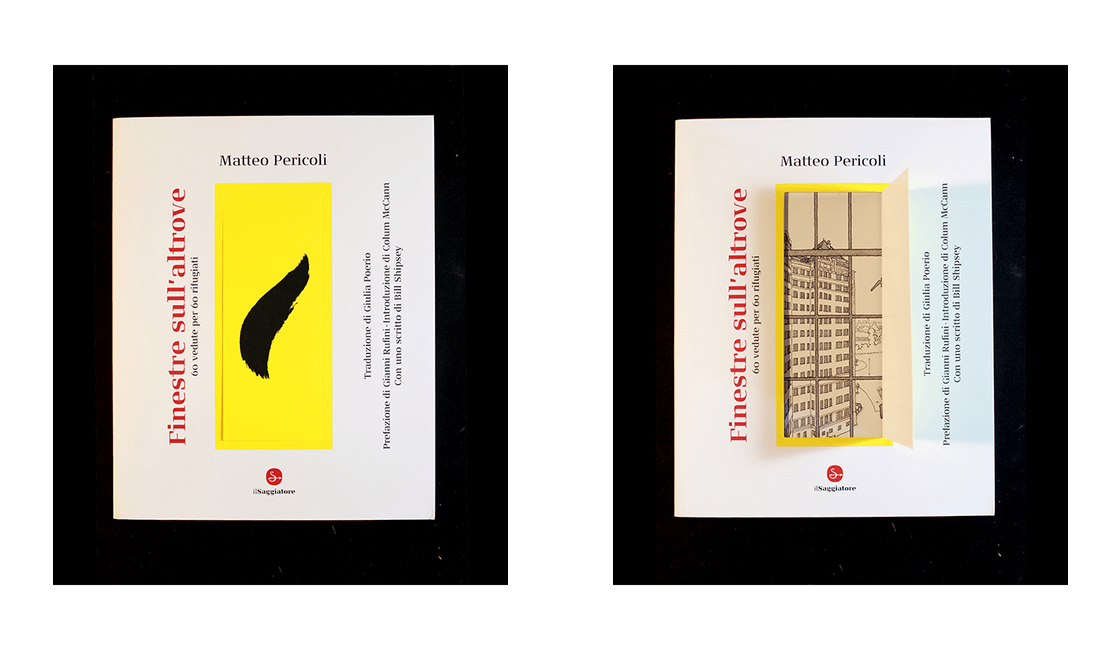
The following day, the book Finestre sull’altrove, 60 vedute per 60 rifugiati, published by Il Saggiatore will go on sale.The Lavazza Group has generously contributed by supporting the production of a series of limited edition box sets of the drawings and texts in Italian, English, French and Spanish (60 per language), which will be sold to benefit Amnesty.

Click here to visit the project’s official website.

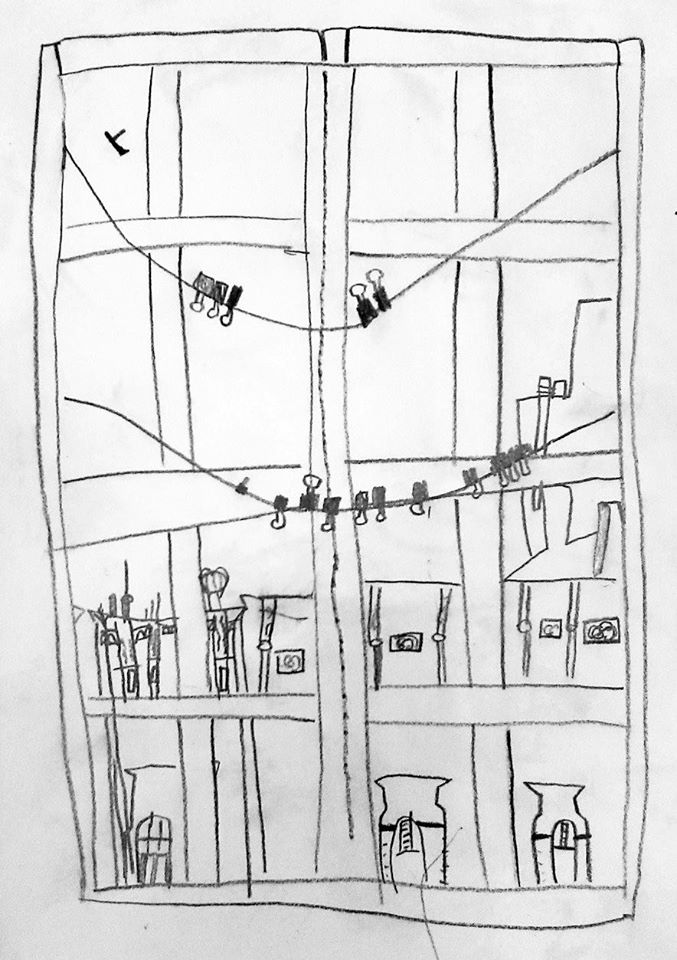
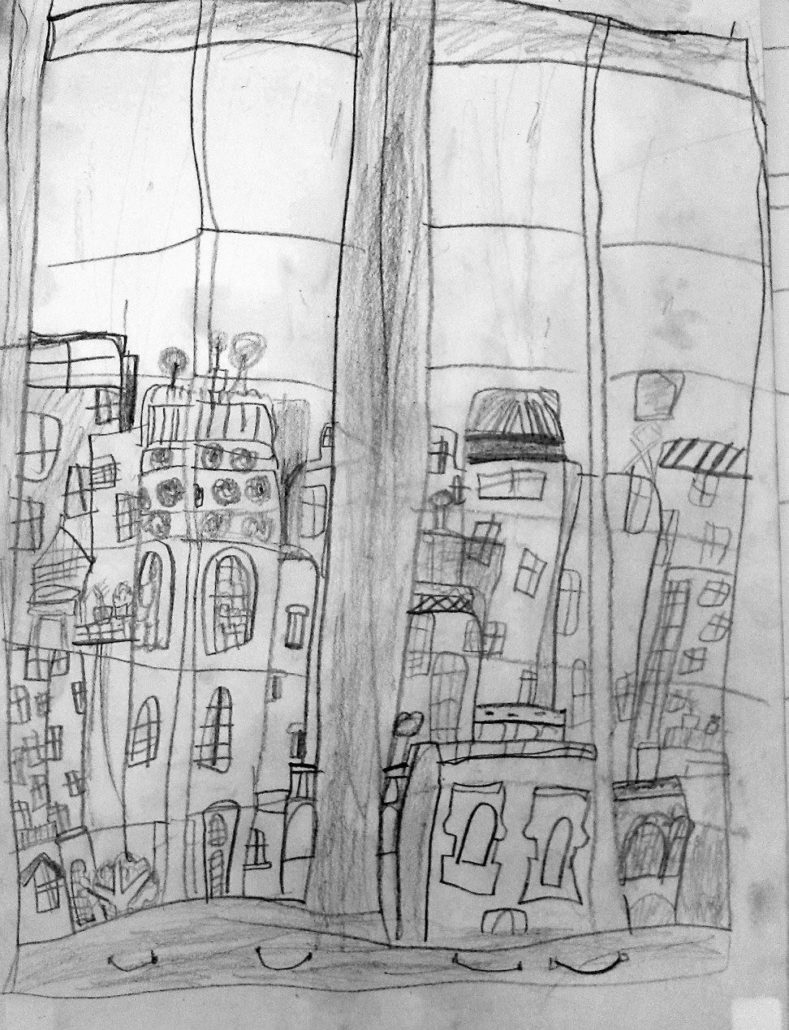
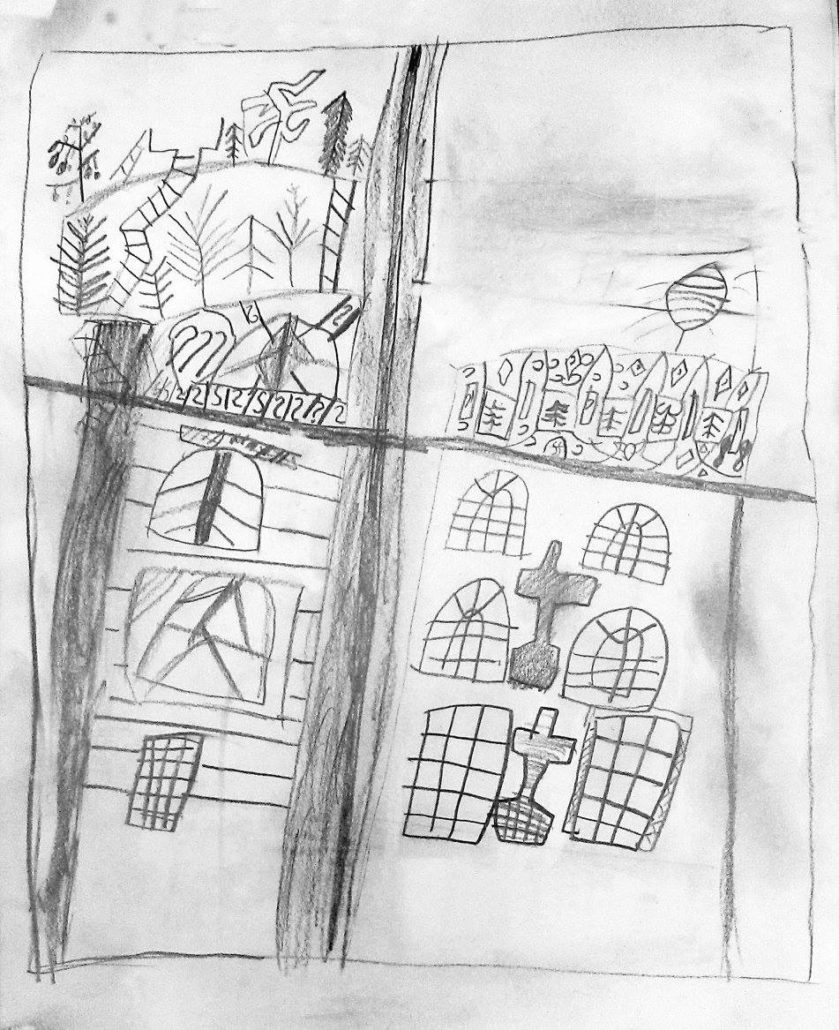
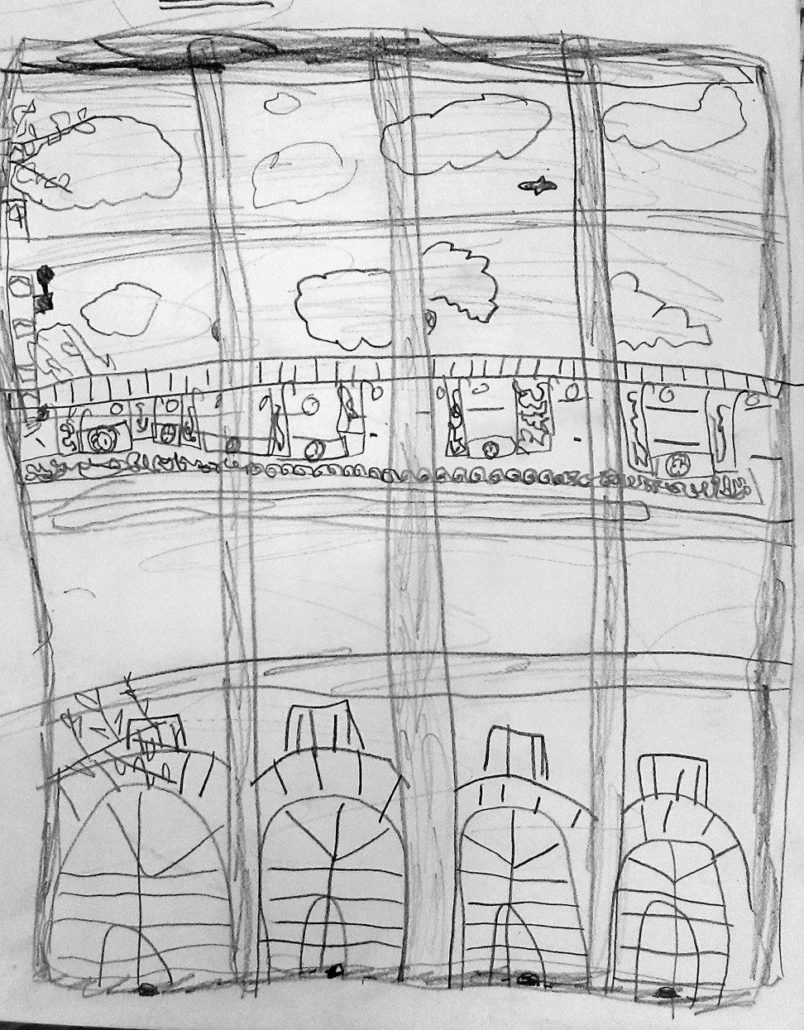
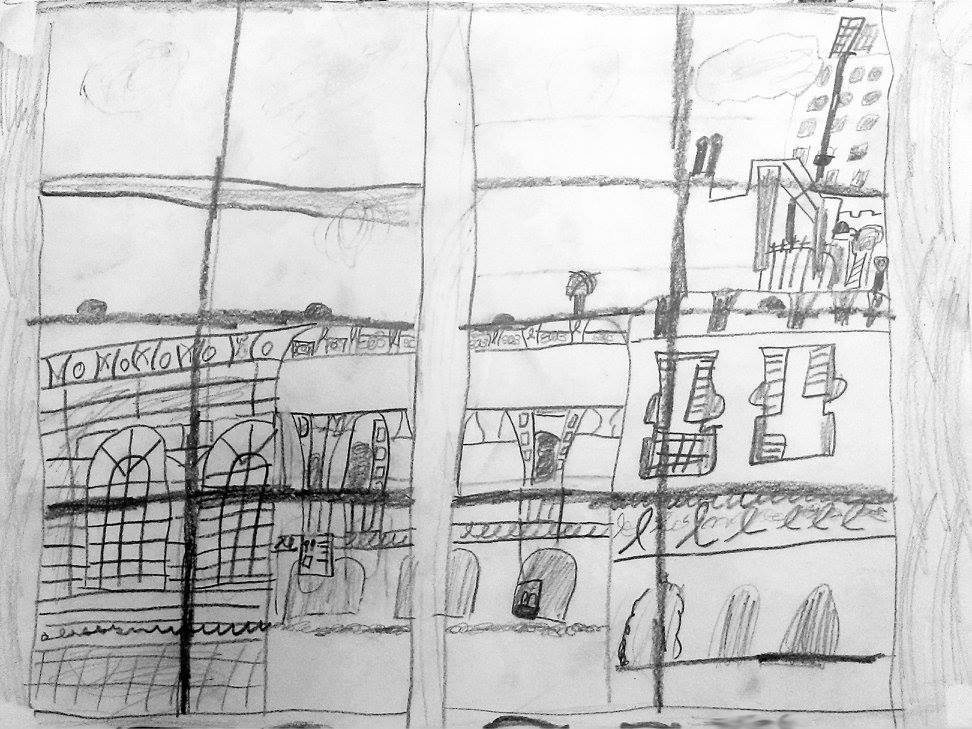
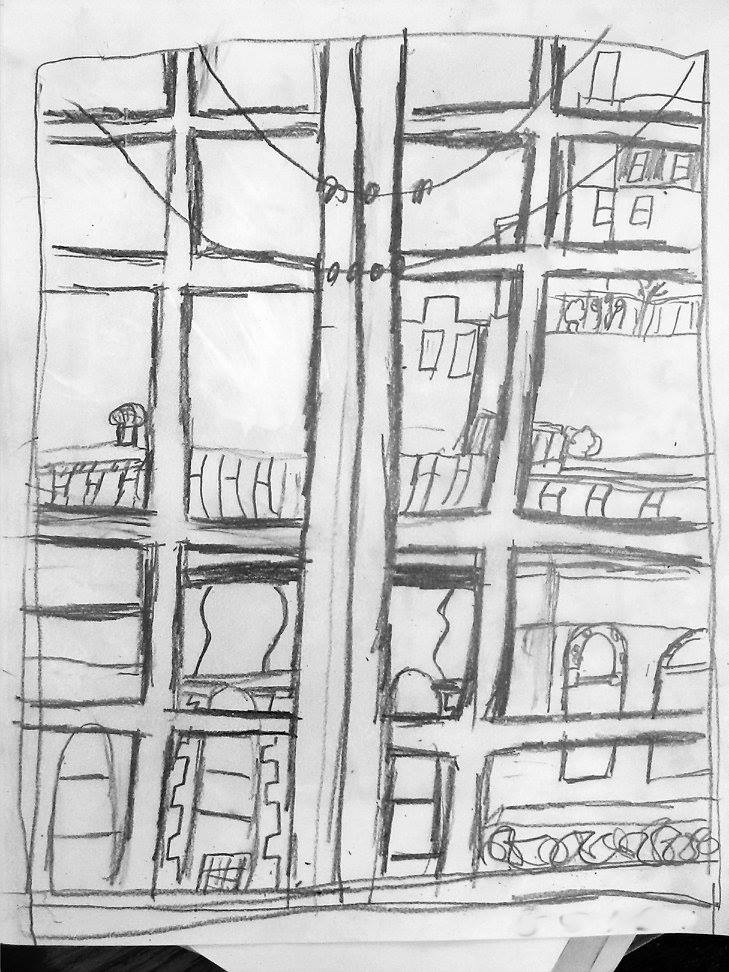
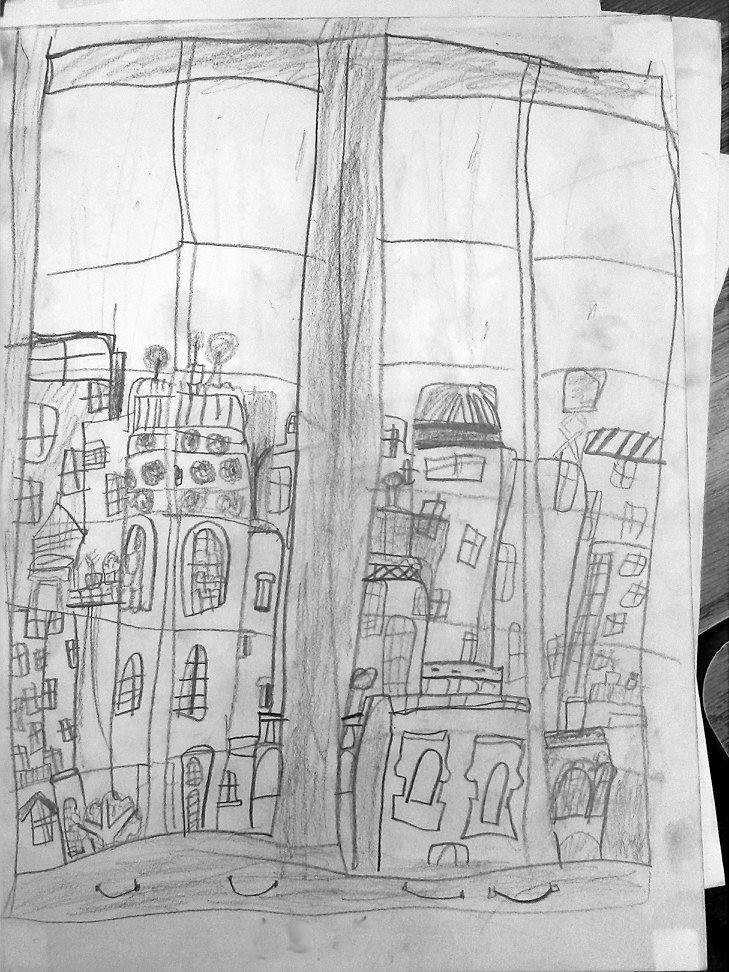
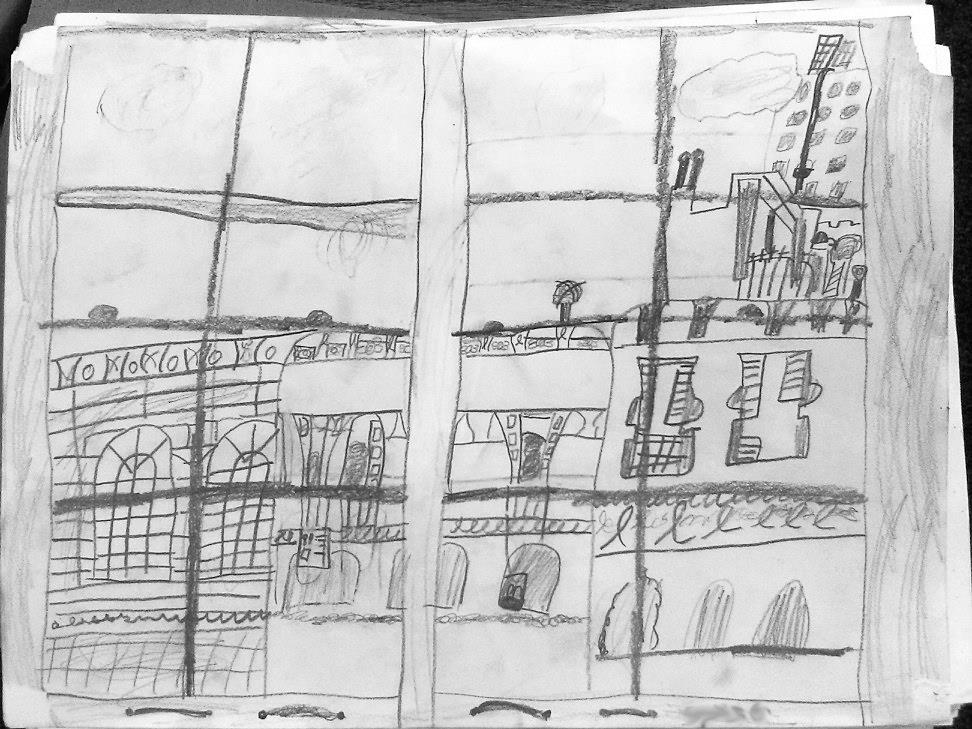
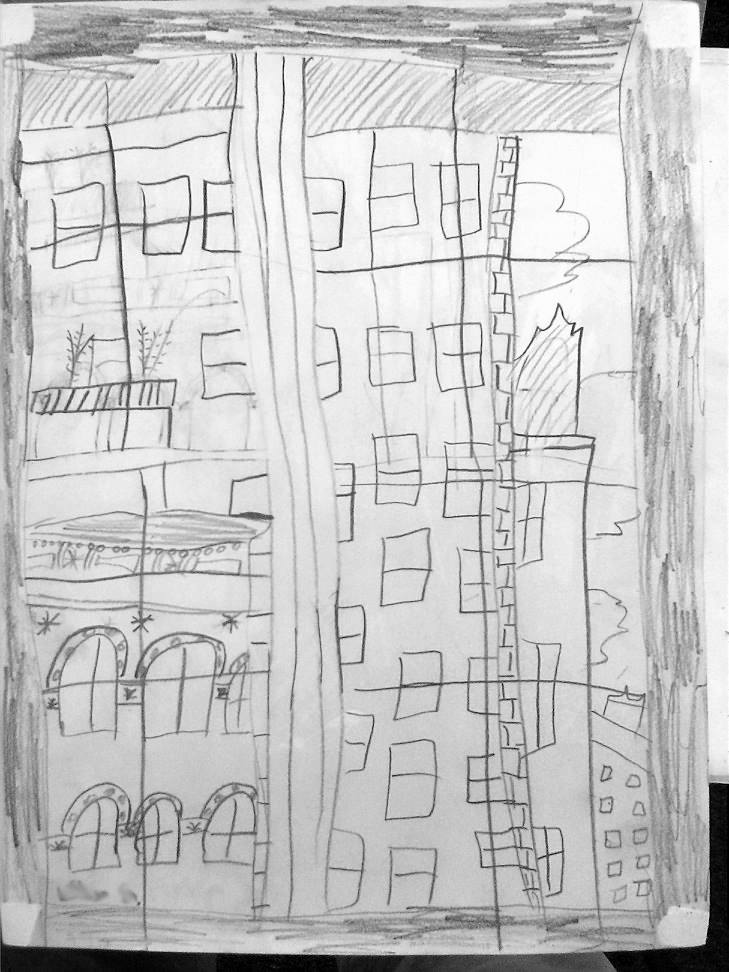
Some of the amazing drawings from last week’s workshop with second-graders at The Nightingale-Bamford School in New York City (they have all drawn the same two class windows!)

Tag Archive for: window view drawings